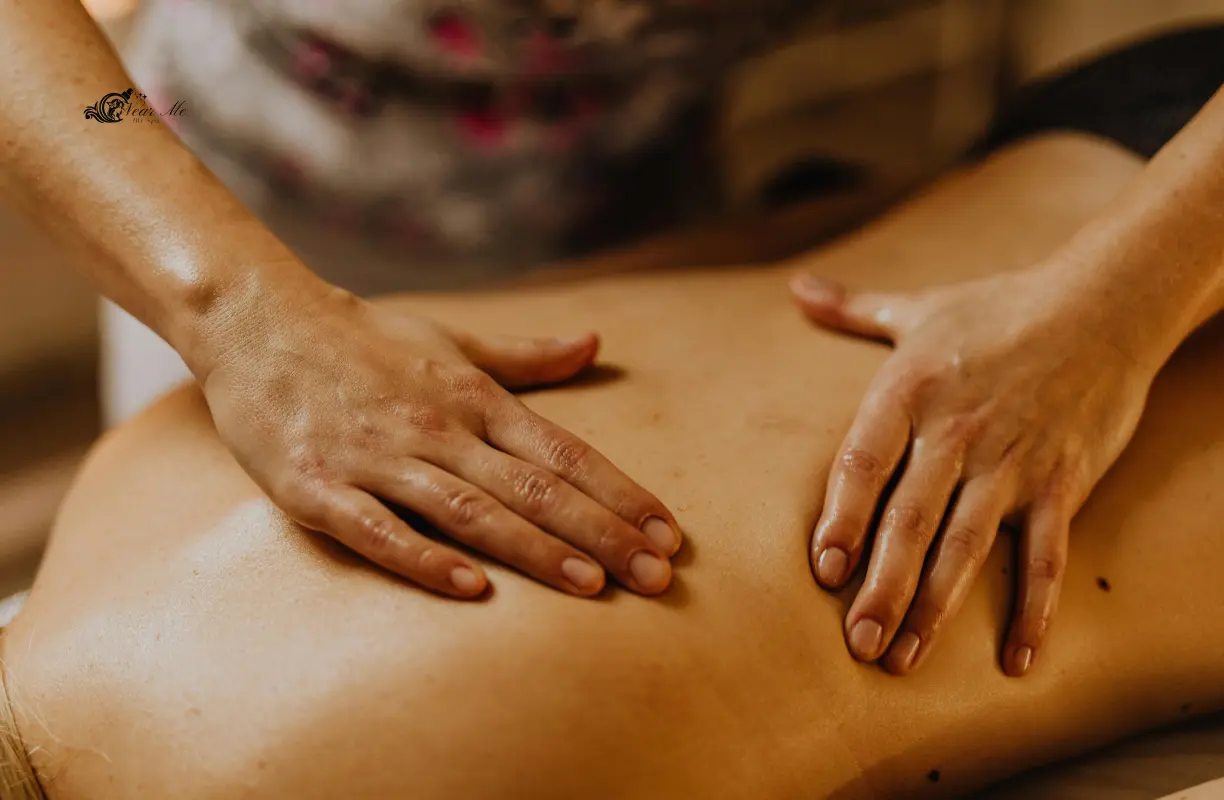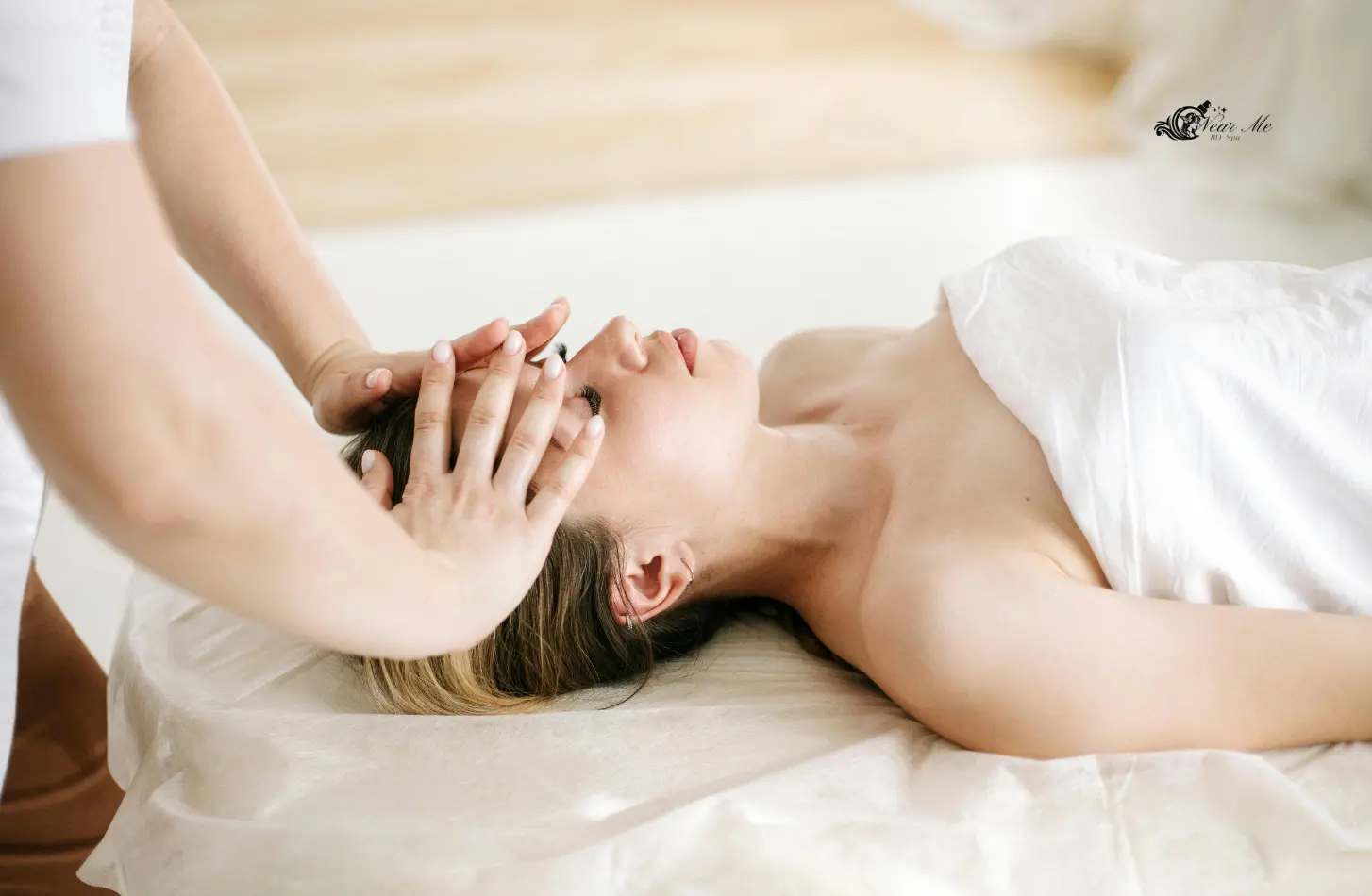
Modern life in Dhaka brings countless responsibilities, deadlines, and pressures that accumulate in your body as painful muscle tension and overwhelming stress. Perhaps you’ve tried medications, hot packs, or rest, yet the discomfort persists. There’s a powerful solution rooted in 2,500 years of healing tradition that addresses both your physical pain and mental exhaustion simultaneously—Thai massage.
The Thai massage benefits for stress and pain extend far beyond temporary relief. This ancient therapeutic practice combines strategic pressure, assisted stretching, and energy line work to eliminate pain at its source while calming your nervous system. At Spa Near Me BD, located at 51 South Avenue, NCC Bank, Gulshan 1, Dhaka 1212, we’ve witnessed remarkable transformations as clients discover lasting freedom from chronic discomfort.
This comprehensive guide reveals exactly how Thai massage reduces stress, eliminates stubborn muscle pain, and why it might be the breakthrough you’ve been searching for. Whether you’re dealing with specific conditions or simply seeking preventive wellness care, understanding these profound benefits of Thai massage therapy will empower you to make informed decisions about your health journey.
Understanding Traditional Thai Massage Therapy
The Ancient Origins and Philosophy
Thai massage, known traditionally as “Nuad Boran,” originated approximately 2,500 years ago, blending Indian Ayurvedic principles, Chinese acupressure, and Buddhist meditation practices. Unlike Western massage that treats muscles as isolated structures, traditional Thai massage benefits emerge from viewing your body as an interconnected energy system.
This healing art operates on the principle that invisible energy pathways called “Sen lines” run throughout your body, similar to meridians in Chinese medicine. When life stress, physical trauma, or poor habits block these channels, pain and illness manifest. Thai massage systematically clears these blockages through precise pressure and movement, restoring your body’s innate healing capacity.
The practice also incorporates the Buddhist principles of mindfulness, compassion, and present-moment awareness. Your therapist approaches each session as a moving meditation, creating a healing space where both physical and energetic transformation occur. This spiritual dimension differentiates authentic Thai massage from purely mechanical bodywork.
Four Foundational Techniques Explained
Thai massage for muscle pain achieves its remarkable results through four complementary methods working together:
Acupressure along Sen lines: Using thumbs, palms, elbows, and feet, therapists apply rhythmic compression to specific points along energy pathways. This pressure releases muscular tension, stimulates circulation, and triggers endorphin production—your body’s natural pain relievers. The strategic placement of pressure points addresses not just surface muscles but deeper fascial layers and energetic blockages.
Passive stretching sequences: This is where Thai stretching massage for pain relief truly shines. Your therapist guides your body through yoga-like positions—hip openers, spinal twists, hamstring stretches, shoulder expansions—while you remain completely relaxed. Because you’re not actively controlling the movement, muscles can lengthen beyond what you could achieve alone, releasing chronic holding patterns that cause persistent pain.
Compression and rocking: Wave-like compressions create a pumping action that flushes metabolic waste from tissues while drawing fresh, oxygen-rich blood into previously constricted areas. This technique proves especially effective for Thai massage for back and shoulder pain, where poor circulation often perpetuates discomfort.
Joint mobilization: Gentle rotations and movements of your ankles, knees, hips, shoulders, and spine enhance joint health by stimulating synovial fluid production. This natural lubricant keeps joints moving smoothly, reducing the stiffness and discomfort that develop from sedentary lifestyles or repetitive movements.
Why Thai Massage Works: The Science
Modern research validates the effectiveness of how Thai massage reduces stress through measurable physiological changes. Studies using functional MRI brain imaging show that during Thai massage, activity decreases in the amygdala—your brain’s fear and anxiety center—while increasing in regions associated with body awareness and emotional regulation.
The mechanical stretching activates specialized receptors called Golgi tendon organs within your muscles. When these sensors detect sustained stretch, they send signals to your spinal cord that override muscle contraction commands, forcing tight muscles to release. This neurological mechanism explains why assisted stretching provides superior results compared to active stretching alone.
Additionally, the pressure techniques stimulate your parasympathetic nervous system—the “rest and digest” mode that counteracts stress responses. Heart rate slows, blood pressure decreases, digestion improves, and stress hormone production diminishes. These aren’t just subjective feelings of relaxation; they’re objective physiological shifts that promote healing throughout your entire body.
How Thai Massage Reduces Stress: Breaking the Tension Cycle
Your Body Under Stress: What’s Really Happening
When stress strikes—whether from work deadlines, relationship challenges, or financial worries—your body doesn’t distinguish between physical danger and psychological pressure. Your sympathetic nervous system activates, releasing cortisol and adrenaline that prepare you for action by increasing heart rate, elevating blood pressure, and contracting muscles.
This response served our ancestors excellently when facing immediate physical threats. However, modern stressors rarely require physical action and persist for weeks, months, or years. Your muscles remain in a state of partial contraction, never fully releasing. This chronic tension restricts blood flow, compresses nerves, and creates the tight shoulders, clenched jaw, and aching back that define stress-related pain.
The vicious cycle intensifies because persistent muscle tension itself becomes a stressor. Your brain receives constant pain signals, interpreting them as threats that maintain your stress response. You’re trapped: stress creates tension, tension creates pain, and pain perpetuates stress. Breaking this destructive pattern requires intervention that simultaneously addresses the physical tension and nervous system dysregulation—precisely what stress relief massage Thai technique accomplishes.
Immediate Stress Relief Through Thai Massage
From the moment your session begins, the Thai massage benefits for stress and pain activate through multiple pathways that work synergistically:
Vagus nerve stimulation: The sustained pressure and rhythmic compression characteristic of Thai massage directly stimulate your vagus nerve—the primary nerve controlling your parasympathetic “relaxation” system. This stimulation literally switches your nervous system from fight-or-flight mode to rest-and-repair mode, allowing deep muscular release and mental calming.
Cortisol reduction: Clinical studies measuring stress hormones before and after how Thai massage reduces stress sessions consistently demonstrate significant cortisol decreases within 60 minutes. Clients at our best Thai massage in Gulshan Dhaka facility frequently report feeling noticeably calmer before even leaving the treatment room, and this subjective experience correlates with objective biochemical changes.
Endorphin and serotonin release: Thai massage stimulates production of endorphins—your body’s natural opioids that block pain signals and create feelings of euphoria. Simultaneously, serotonin levels increase, regulating mood, promoting quality sleep, and reducing anxiety. These neurochemical changes explain why you feel not just physically relaxed but emotionally lighter after treatment.
Oxytocin production: This hormone, released during positive touch, reduces anxiety while promoting feelings of connection and safety. Oxytocin also possesses anti-inflammatory properties, addressing pain at a biochemical level while simultaneously improving emotional wellbeing.
Breathing pattern restoration: Chronic stress typically causes shallow, rapid chest breathing that perpetuates anxiety. Thai massage includes specific techniques that open your chest, release your diaphragm, and restore natural, deep abdominal breathing. This increased oxygen delivery further activates relaxation responses while reducing the panic sensations associated with restricted breathing.
Building Long-Term Stress Resilience
While immediate stress relief provides welcome respite, regular Thai massage for muscle relaxation creates cumulative benefits that fundamentally transform how your body handles pressure:
Progressive tension reduction: Each session lowers your baseline muscle tension. What previously felt “normal” reveals itself as chronic tightness once you experience genuine relaxation. Over time, your new resting state becomes one of ease rather than persistent contraction, requiring less energy to maintain and leaving more vitality for activities you value.
Enhanced body awareness: As your body relearns what relaxation feels like, you develop heightened sensitivity to stress accumulation. This improved awareness functions as an early warning system, allowing you to recognize and address tension patterns before they escalate into painful conditions requiring intensive intervention.
Improved stress tolerance: Research demonstrates that individuals receiving consistent massage therapy report better emotional regulation and resilience when facing challenges. The regular benefits of Thai massage therapy don’t just treat existing stress—they strengthen your nervous system’s capacity to handle future stressors without becoming overwhelmed.
Sleep quality enhancement: Chronic stress severely disrupts sleep architecture, preventing the deep, restorative stages essential for physical recovery and emotional processing. By reducing stress hormones and promoting relaxation, traditional Thai massage benefits often dramatically improve sleep quality, creating a positive cycle where better rest enhances daytime stress resilience.
Thai Massage for Muscle Pain: Complete Pain Relief Solution
Understanding Why Your Muscles Hurt
Muscle pain rarely stems from a single cause but typically involves multiple interconnected factors that Thai massage uniquely addresses:
Chronic muscle contraction: Poor posture from desk work, repetitive movement patterns, or compensation for old injuries create sustained muscle contractions. These persistently tight muscles compress blood vessels, reducing oxygen delivery and causing accumulation of metabolic waste products like lactic acid that generate pain signals your brain interprets as soreness, aching, or burning sensations.
Trigger point formation: When muscles remain contracted for extended periods, hyper-irritable spots called trigger points develop within the muscle tissue. These tightly knotted muscle fibers refer pain to other body areas—this explains why Thai massage for back and shoulder pain often treats your hips, chest, or arms to address pain you feel in your upper body.
Fascial restrictions: Fascia—the connective tissue wrapping and interpenetrating every muscle—can become dehydrated, sticky, and restricted. These fascial adhesions limit movement, create pulling sensations, and generate pain. The compression and stretching techniques in Thai stretching massage for pain relief specifically target fascial restrictions that other treatments miss.
Nerve compression: Tight muscles frequently compress nerves passing through or near them, creating radiating pain, numbness, tingling, or weakness. Releasing the muscular tension removes this compression, often eliminating nerve symptoms entirely without requiring medications or invasive procedures.
Inflammatory processes: Chronic muscle tension triggers low-grade inflammation that sensitizes nerve endings, making normally harmless stimuli feel painful. This neurological sensitization explains why even light touch can hurt in affected areas and why comprehensive treatment addressing multiple factors proves more effective than isolated interventions.
How Thai Stretching Massage Eliminates Pain
The Thai massage benefits for stress and pain methodology addresses muscle discomfort through coordinated mechanisms that work together:
Mechanical muscle lengthening: Assisted stretching progressively lengthens shortened muscle fibers, restoring normal resting length. Muscles that have remained contracted for months or years literally forget how to relax fully. The sustained, gentle stretching re-educates muscle fibers, reducing internal tension that generates constant pain signals while improving joint range of motion that tight muscles restrict.
Adhesion breaking: Chronic tension creates adhesions where muscle fibers stick together or bind to surrounding tissues. The movement and pressure during how Thai massage reduces stress and pain mechanically breaks these adhesions, restoring normal sliding between tissue layers essential for pain-free movement.
Trigger point deactivation: Sustained pressure applied directly to trigger points forces them to release through a neurological reflex called the “pressure release phenomenon.” As the knotted fibers release, referred pain patterns often disappear immediately—a dramatic demonstration of Thai massage’s effectiveness that clients find remarkably satisfying.
Circulation enhancement: The rhythmic compression and release cycles create a pumping action that flushes stagnant, waste-laden blood from tight tissues while drawing in fresh, oxygen-rich blood carrying nutrients needed for tissue repair. This enhanced circulation removes pain-causing metabolic byproducts while delivering raw materials for healing.
Nervous system recalibration: Chronic pain involves sensitization where your nervous system becomes overly reactive, interpreting normal sensations as painful. The varied sensory input provided by Thai massage—pressure, stretch, movement, warmth—helps reset this sensitized system, progressively reducing overall pain perception and restoring normal sensory processing.
Specific Conditions Responding to Thai Massage
At Spa Near Me BD, we successfully treat numerous pain conditions through authentic traditional Thai massage benefits:
Chronic lower back pain: Perhaps the most prevalent complaint in modern society, lower back pain typically stems from tight hip flexors pulling your pelvis forward, weak core muscles failing to support your spine, and compressed lumbar vertebrae. Our Thai massage sequences specifically address these contributing factors through targeted hip stretches that release the psoas muscle, spinal decompression techniques that create space between vertebrae, and comprehensive work along your entire posterior chain—from calves through hamstrings, glutes, back muscles, and neck.
Neck and shoulder tension: The forward head posture and rounded shoulders created by computer work generate tremendous strain. For every inch your head moves forward from proper alignment, it effectively weighs an additional 10 pounds, forcing your neck and upper back muscles to work constantly. Our Thai massage for back and shoulder pain protocol systematically opens your chest, stretches shortened anterior muscles pulling you forward, and releases the trapezius, levator scapulae, and rhomboid muscles where most people unconsciously store tension.
Tension headaches: Approximately 80% of headaches originate from muscular tension in your neck, shoulders, jaw, and scalp. By systematically releasing these interconnected areas, Thai massage for muscle pain often provides headache relief when medications fail, with effects lasting days or weeks rather than the few hours pharmaceutical approaches offer.
Sciatica and piriformis syndrome: Your sciatic nerve—the largest nerve in your body—can become compressed by the piriformis muscle deep in your gluteal region, creating radiating leg pain, numbness, or tingling. Thai massage includes specific hip rotations, deep pressure techniques, and stretches that release piriformis tension while addressing contributing factors in your lower back and hamstrings, often eliminating sciatic symptoms entirely without requiring injections or surgery.
Repetitive strain injuries: Conditions like carpal tunnel syndrome, tennis elbow, golfer’s elbow, and plantar fasciitis respond remarkably well to Thai massage because it addresses the entire kinetic chain rather than just the symptomatic area. Wrist pain, for instance, often originates from shoulder and neck tension that Thai massage comprehensively treats, providing lasting relief that local treatment alone cannot achieve.
Post-exercise muscle soreness: Athletes and fitness enthusiasts utilize Thai massage for muscle relaxation both for recovery and performance enhancement. The deep stretching improves flexibility and reduces injury risk, while the muscle work accelerates recovery from intense training by removing metabolic waste products and reducing inflammation that cause delayed-onset muscle soreness.
Fibromyalgia symptoms: While fibromyalgia requires ongoing management, many sufferers find Thai massage reduces pain intensity, improves sleep quality, and enhances overall quality of life. The gentle, whole-body approach respects the sensitivity characteristic of fibromyalgia while still providing therapeutic benefit.
Your Complete Thai Massage Experience
What to Expect During Your First Visit
Understanding the process helps you approach your initial stress relief massage Thai technique session with confidence and realistic expectations.
Upon arriving at Spa Near Me BD, 51 South Avenue, NCC Bank, Gulshan 1, Dhaka 1212, you’ll be welcomed into our tranquil reception area designed to initiate your relaxation journey immediately. Soft lighting, calming colors, and peaceful atmosphere signal to your nervous system that this is a safe space for healing.
Your experienced therapist will conduct a thorough consultation, discussing your complete health history, current pain complaints or stress symptoms, specific areas requiring attention, previous massage experiences, and your treatment goals. This personalized assessment ensures your session addresses your unique needs rather than following a generic routine that might miss what matters most to you.
You’ll receive comfortable, loose-fitting clothing if needed—loose pants and a shirt that allow freedom of movement. The fully-clothed nature of Thai massage distinguishes it from oil massage while enabling the extensive stretching that makes Thai stretching massage for pain relief so effective.
The Treatment Session Structure
A comprehensive Thai massage session typically spans 60 to 120 minutes, though we offer various durations depending on your needs and schedule. The best Thai massage in Gulshan Dhaka follows a systematic yet flexible structure:
Initial assessment phase: Your therapist begins with gentle rocking movements that assess tissue quality, identify areas of restriction, and help you relax into the treatment. This preliminary phase establishes the rhythmic, meditative quality characteristic of authentic Thai massage while allowing your therapist to customize the session based on what they discover in your body.
Systematic body progression: Treatment typically begins at your feet and progresses methodically through your entire body, ensuring no area receives neglect. This comprehensive approach honors the interconnected nature of your body’s structure and acknowledges that pain in one area often originates elsewhere. Your shoulder pain might stem from hip tightness, or your headaches might trace back to foot imbalances—Thai massage addresses these relationships.
Pressure and stretching integration: Throughout your session, periods of acupressure alternate with stretching sequences, creating varied sensory input that prevents adaptation and boredom. You might receive several minutes of thumb pressure along your leg’s Sen lines, followed by a deep hip-opening stretch, then compression with palms and elbows, followed by a spinal twist that releases your entire back.
Multiple position changes: You’ll experience treatment lying on your back (supine), stomach (prone), both sides, and in seated positions. Each orientation allows access to different muscle groups and facilitates specific stretches impossible in other positions. These transitions also prevent any single body part from experiencing prolonged pressure.
Communication and adjustment: Your therapist continuously monitors your breathing patterns, facial expressions, and muscle responses, adjusting pressure intensity, stretch depth, and technique selection accordingly. Remember that Thai massage for muscle pain should create a sensation of “good discomfort”—the feeling of tight tissues releasing—but never sharp, stabbing, or overwhelming pain. Always communicate your experience so your therapist can optimize your treatment.
After Your Session: Care and Recovery
Following your massage, several practices maximize the benefits of Thai massage therapy:
Hydration is essential: Massage releases metabolic waste products stored in tissues into your bloodstream for elimination through your kidneys. Drinking plenty of water over the following 24 hours facilitates this detoxification process and prevents the mild headache, fatigue, or flu-like symptoms some people experience when inadequately hydrated post-massage.
Honor your energy level: Some clients feel energized, mentally clear, and ready to conquer their to-do list, while others feel deeply relaxed, slightly drowsy, and ready for a nap. Both responses are completely normal and reflect individual nervous system differences. If possible, avoid scheduling intense mental or physical activities immediately after your session, allowing your body time to integrate the healing work.
Expect mild soreness: You might experience some muscle tenderness the following day, similar to post-workout soreness. This represents your muscles adjusting to their new, lengthened state and typically resolves within 24 hours. Gentle movement like walking, heat application like a warm bath, and adequate water intake ease this temporary discomfort.
Track your progress: Notice changes in pain levels, stress symptoms, sleep quality, energy levels, and movement ease over the days following treatment. This awareness helps you and your therapist understand how your body responds and guides treatment planning for optimal results.
Schedule your next session: While many people experience significant relief after a single treatment, optimal results typically emerge over a series of sessions. Chronic tension patterns developed over months or years require consistent intervention to fully resolve and prevent recurrence.
Maximizing Your Results with Optimal Frequency
How Often Should You Receive Thai Massage?
The ideal frequency for experiencing Thai massage benefits for stress and pain depends on your current condition and wellness goals:
Acute pain or severe stress (Weekly for 4-6 weeks): If you’re currently experiencing significant pain or overwhelming stress that interferes with daily function, weekly sessions provide intensive intervention that breaks destructive patterns. This frequency allows your body to maintain improvements achieved in each session while progressively building on previous gains. Many clients notice dramatic improvement within this initial intensive phase.
Chronic condition management (Biweekly ongoing): For long-standing issues like chronic back pain, recurring headaches, or persistent high stress, biweekly sessions offer the ideal balance between therapeutic benefit and practical sustainability. This schedule maintains consistent progress while allowing your body adequate time to integrate changes between treatments and prevents the plateau that can occur with overly frequent sessions.
Preventive maintenance (Monthly ongoing): Even when feeling relatively well, monthly Thai massage for muscle relaxation serves as preventive care addressing minor tensions before they become problematic. This proactive approach often proves more effective and economical than waiting until pain forces you to seek treatment. Monthly sessions also provide regular stress relief that prevents accumulation leading to burnout or anxiety disorders.
Performance enhancement (Variable timing): Athletes and active individuals often schedule sessions strategically around training cycles—receiving Thai massage during recovery weeks to enhance flexibility, reduce injury risk, and accelerate adaptation to training stress. Some athletes prefer weekly sessions during intense training periods, while others opt for biweekly or monthly maintenance.
Complementary Practices for Enhanced Benefits
While how Thai massage reduces stress and pain powerfully on its own, combining it with complementary practices amplifies and extends results:
Daily stretching routine: Request that your therapist teach you 3-5 simple stretches targeting your primary problem areas. Performing these between sessions—ideally both morning and evening—extends the flexibility gains and maintains the muscle length achieved during treatment. Even 10 minutes daily creates substantial cumulative benefit.
Postural awareness and correction: Notice how you position your body while sitting, standing, walking, and sleeping. Small adjustments—like elevating your computer screen to eye level, taking regular movement breaks during desk work, practicing proper lifting mechanics, or adjusting your pillow height—prevent recreating the tension patterns Thai massage releases. Your therapist can provide specific postural recommendations based on your individual patterns.
Stress management integration: Combine stress relief massage Thai technique with other proven stress-reduction methods like daily meditation practice, deep breathing exercises, regular cardiovascular exercise, strength training, time in nature, or professional counseling if needed. This multi-faceted approach addresses stress from multiple angles, providing superior results compared to any single intervention alone.
Sleep prioritization: Your body performs most tissue repair, immune system maintenance, and neurological processing during deep sleep stages. Prioritizing 7-9 hours of quality sleep nightly enhances your body’s ability to integrate and maintain the benefits of Thai massage therapy. If sleep quality is poor, discuss this with your therapist as specific Thai massage techniques can address sleep-disrupting tension patterns.
Anti-inflammatory nutrition: Consuming foods rich in omega-3 fatty acids (fish, walnuts, flaxseed), colorful vegetables and fruits high in antioxidants, and adequate protein supports the healing processes Thai massage initiates. Simultaneously reducing inflammatory foods like excess sugar, processed oils, and refined carbohydrates creates an internal environment conducive to recovery and pain reduction.
Building a Therapeutic Partnership
Consistently working with the same therapist at Spa Near Me BD allows them to develop deep understanding of your body’s unique patterns, track your progress accurately, remember your preferences and sensitivities, and progressively refine their approach to your evolving needs. This continuity often produces superior results compared to seeing different practitioners who must start fresh each session, spending valuable time on assessment rather than treatment.
Share feedback openly with your therapist about what works well, what feels less helpful, how you’ve responded between sessions, and any changes in your symptoms or life circumstances. This collaborative relationship transforms your Thai massage from a passive treatment you receive into an active partnership for your wellness.
Comparing Thai Massage to Other Modalities
Thai Massage Versus Swedish Massage
Swedish massage, the most prevalent Western massage style, uses oil and focuses on muscle manipulation through five basic strokes—effleurage (gliding), petrissage (kneading), friction, tapotement (percussion), and vibration. While excellent for general relaxation and stress relief, Swedish massage lacks the stretching component that makes Thai stretching massage for pain relief extraordinarily effective for chronic tension patterns and flexibility limitations.
Swedish massage typically leaves you deeply relaxed but may not substantially improve range of motion, address structural imbalances, or provide the energetic balancing that traditional Thai massage benefits include. Thai massage, conversely, often leaves you feeling simultaneously relaxed and energized, with immediately noticeable improvements in flexibility and movement ease.
Thai Massage Versus Deep Tissue Massage
Deep tissue massage targets chronic muscle tension and adhesions through slow, sustained pressure into deep muscle layers using fingers, knuckles, and elbows. While effective for specific problem areas, it focuses primarily on the region of complaint rather than the whole-body approach Thai massage employs, potentially missing contributing factors elsewhere in your body.
Many people find that Thai massage for back and shoulder pain achieves deep tissue release through compression and stretching that feels less aggressive than deep tissue massage while producing comparable or superior results. The varied techniques—alternating between pressure and stretch—prevent the intense discomfort sometimes associated with continuous deep pressure and allow your nervous system to relax rather than resist.
Thai Massage Versus Sports Massage
Sports massage specifically addresses athletic performance enhancement and recovery, often focusing on particular body regions relevant to specific sports or recent injuries. Techniques include rapid compression, friction, and stretching tailored to athletes’ needs. While valuable for sports-specific concerns, sports massage may not provide the comprehensive stress relief and whole-body energetic balance that Thai massage offers.
Athletes often benefit from incorporating both approaches strategically—using sports massage for acute injury recovery or pre-competition preparation and Thai massage for muscle relaxation for overall flexibility enhancement, comprehensive recovery, and mental stress management that supports optimal performance.
Thai Massage Versus Shiatsu
Both Thai massage and Japanese Shiatsu work with energy meridian systems and employ pressure point techniques, reflecting their shared Asian philosophical roots. Shiatsu is performed on a mat with recipients clothed but includes less stretching and dynamic body manipulation than Thai massage. Shiatsu practitioners typically use primarily finger and palm pressure, while Thai massage incorporates thumbs, palms, forearms, elbows, knees, and feet for varied pressure qualities.
The Thai massage benefits for stress and pain often include more dramatic flexibility improvements due to the extensive stretching sequences, while Shiatsu may provide more precise energetic balancing through its meridian-focused approach.
Why Choose Spa Near Me BD: The Best Thai Massage in Gulshan Dhaka
Authentic Training and Continued Education
At Spa Near Me BD, authenticity forms our foundation. Our therapists have received extensive training in traditional Thai massage techniques, many having studied directly with master teachers in Thailand at respected institutions preserving centuries-old knowledge. This commitment to authentic methodology ensures you receive genuine traditional Thai massage benefits rather than a diluted Western adaptation that may lack therapeutic effectiveness.
Our team participates in ongoing education, continuously updating skills through advanced workshops, staying current with contemporary research validating Thai massage’s therapeutic effects, and learning complementary techniques that enhance results. This dedication to professional development means you always receive the highest quality care incorporating both timeless wisdom and modern understanding.
Personalized, Client-Centered Approach
We recognize that your body tells a unique story. Your pain patterns, stress manifestations, flexibility limitations, health history, and therapeutic needs differ from every other client. Rather than providing cookie-cutter sessions following a predetermined routine, we customize each treatment based on your initial consultation findings, real-time feedback during the session, your response to previous treatments, and your evolving goals.
This individualized approach explains why clients consistently report that our Thai massage for muscle pain and stress provides superior results compared to generic massage experiences elsewhere. We listen carefully, observe your body’s responses attentively, and adjust continually to meet you exactly where you are in your wellness journey.
Convenient Location and Tranquil Environment
Our location at 51 South Avenue, NCC Bank, Gulshan 1, Dhaka 1212 offers easy accessibility from throughout Gulshan, Banani, Baridhara, and surrounding areas. The central position means you can conveniently schedule sessions during lunch breaks, before starting your workday, or on your way home, making regular treatment sustainable rather than logistically challenging.
We’ve thoughtfully created an environment specifically designed to facilitate healing and deep relaxation. From the moment you enter, carefully chosen elements—calming colors promoting serenity, appropriate lighting that soothes rather than stimulates, peaceful music supporting meditation, comfortable temperature, and clean, inviting treatment spaces—support your journey toward reduced stress and eliminated pain.
Commitment to Your Long-Term Wellness
At Spa Near Me BD, we view our relationship with clients as a true partnership in your wellness journey rather than a transactional service. We’re genuinely invested in your long-term health outcomes, not just providing isolated treatments. This philosophy drives our focus on education—empowering you with knowledge about your body’s patterns, teaching self-care techniques you can practice at home, and supporting the lifestyle modifications that complement and extend your Thai massage benefits for stress and pain.
We celebrate your progress, adjust our approach when something isn’t working optimally, and remain available to answer questions or address concerns between sessions. Your success is our success, and we’re honored to support your transformation.
Common Questions About Thai Massage Answered
Will Thai Massage Be Painful?
Thai massage for muscle pain should create a sensation of “therapeutic discomfort”—the feeling of tight tissues releasing and lengthening—but should never produce sharp, stabbing, or unbearable pain. Your therapist continuously adjusts pressure intensity and stretch depth based on your verbal feedback and non-verbal cues like breathing patterns and facial expressions.
Communication is key. If something feels too intense, simply tell your therapist to reduce pressure or modify the stretch. Remember that more pressure doesn’t necessarily equal better results—the optimal pressure is the amount your nervous system can relax into rather than tense against. What might feel intense during your first session often feels more comfortable once your body learns to release rather than resist.
What Should I Wear to My Session?
Wear or bring loose, comfortable clothing allowing complete freedom of movement—loose-fitting pants (yoga pants, sweatpants, or loose cotton pants work well) and a comfortable t-shirt or loose shirt. Avoid restrictive clothing like jeans, tight leggings, or fitted shirts that prevent proper stretching and make the experience less comfortable.
If you forget appropriate clothing or arrive directly from work in business attire, don’t worry—Spa Near Me BD provides suitable clothing for your session, ensuring you experience the full benefits of Thai massage therapy regardless of what you wore to your appointment.
How Will I Feel After My Session?
Responses vary based on individual physiology, the intensity of your treatment, and your body’s current state. Most people feel simultaneously deeply relaxed and pleasantly energized, with noticeable improvement in flexibility and reduction in pain levels. Some experience profound relaxation leading to drowsiness—perfect if you can go home and rest, less ideal if you need to return to a demanding work environment.
Mild muscle soreness the following day is completely normal and actually indicates that how Thai massage reduces stress and tension is working—your muscles are adjusting to their new, healthier lengthened state. This tenderness typically resolves within 24 hours and shouldn’t interfere with normal activities. Gentle movement, heat application like a warm shower or bath, and drinking plenty of water ease any temporary discomfort.
Are There Health Conditions That Prevent Thai Massage?
While Thai massage for muscle relaxation benefits most people, certain conditions require caution, modification, or temporary avoidance:
Recent surgery or acute injuries: Wait until receiving clearance from your physician before receiving massage in affected areas.
Severe osteoporosis: The stretching and pressure could potentially cause fractures in severely weakened bones, though modified gentle techniques may still be appropriate.
Pregnancy: Specialized prenatal massage is available and recommended instead of traditional Thai massage, especially during the first trimester.
Blood clotting disorders or anticoagulant medications: These conditions increase bleeding and bruising risk, requiring pressure modification.
Uncontrolled high blood pressure: Wait until blood pressure stabilizes with medication and physician clearance before receiving massage.
Active infections, fever, or contagious conditions: Postpone treatment until fully recovered to protect both yourself and your therapist.
Recent fractures: Wait until bones have completely healed and received physician clearance.
Always inform your therapist about any health conditions, medications, recent injuries, or concerns during your consultation. We can often modify techniques to accommodate many conditions safely while still providing therapeutic benefit.
How Does Thai Massage Compare in Cost to Other Treatments?
When evaluating the investment in stress relief massage Thai technique, consider not just the per-session cost but the value delivered. A single Thai massage session often provides relief comparable to multiple sessions of some other modalities because it addresses your entire body systematically rather than focusing narrowly on one area.
Additionally, the flexibility improvements, stress reduction, and pain relief from Thai massage often reduce or eliminate need for other costly interventions like pain medications, physical therapy co-pays, or missed work days due to stress-related illness. Many clients find that regular Thai massage actually saves money overall by preventing health problems that would require more expensive treatment.
At Spa Near Me BD, we offer various session lengths and package options to make regular treatment accessible and sustainable for different budgets. Investing in preventive wellness through traditional Thai massage benefits often proves far more economical than waiting until problems become severe enough to require intensive intervention.
Scientific Evidence Supporting Thai Massage
Research on Pain Reduction and Function
Multiple peer-reviewed studies published in respected journals validate Thai massage for back and shoulder pain effectiveness. A randomized controlled trial in the Journal of Bodywork and Movement Therapies found that participants receiving Thai massage showed significantly greater pain reduction and functional improvement compared to control groups receiving standard physical therapy treatments for chronic low back pain.
Another study published in Complementary Therapies in Medicine demonstrated that Thai massage provided superior relief for neck pain compared to ultrasound therapy, with benefits lasting several weeks beyond treatment conclusion. Participants reported not just pain reduction but improved range of motion and better quality of life measures.
Research specifically examining Thai stretching massage for pain relief for office workers with chronic neck and shoulder pain found that a single 30-minute session significantly reduced pain intensity while improving cervical range of motion. The effects persisted for at least one week
, suggesting that even brief, focused sessions provide meaningful benefit.
Studies on Stress, Anxiety, and Mood
Research examining how Thai massage reduces stress consistently shows measurable physiological and psychological improvements. A study measuring salivary cortisol—a reliable stress hormone marker—found significant decreases following Thai massage sessions, with lower levels persisting for several days afterward.
Studies using standardized anxiety and depression assessment scales demonstrate that participants receiving regular Thai massage report reduced anxiety symptoms, improved mood, and better emotional regulation compared to control groups. Brain imaging research reveals that Thai massage activates specific brain regions associated with body awareness and present-moment focus while decreasing activity in areas linked to worry, rumination, and anxiety.
Research on healthcare workers—a population experiencing high occupational stress—found that Thai massage significantly reduced stress levels, improved sleep quality, and enhanced job satisfaction. These benefits emerged after just four weekly sessions and persisted during follow-up assessments weeks later.
Flexibility and Range of Motion Research
Studies comparing Thai massage to standard stretching protocols consistently find that Thai stretching massage for pain relief produces superior flexibility improvements. Research published in the Journal of Physical Therapy Science found that Thai massage significantly increased hamstring flexibility compared to both control groups and active stretching groups, likely because the therapist can guide your body into positions and depths of stretch impossible to achieve independently.
Another study examining sit-and-reach test scores—a standard flexibility measure—found that participants receiving Thai massage showed greater improvement compared to those performing yoga or receiving Swedish massage. The assisted nature of Thai massage stretching appears to allow deeper, more effective muscle lengthening.
Taking Action Toward Pain-Free, Stress-Free Living
The comprehensive Thai massage benefits for stress and pain offer a proven, natural solution for the physical discomfort and emotional overwhelm accompanying modern life. Unlike pharmaceutical approaches that merely mask symptoms temporarily or conventional treatments addressing isolated body parts while ignoring interconnections, Thai massage provides genuinely holistic intervention recognizing the profound unity between your physical structure, energetic system, and emotional wellbeing.
Whether you’re suffering from chronic conditions requiring targeted Thai massage for back and shoulder pain, seeking effective stress relief massage Thai technique for overwhelming pressure, wanting to experience comprehensive benefits of Thai massage therapy for preventive wellness, or simply curious about this ancient healing art, you’ll discover that this practice offers something conventional medicine often cannot: authentic healing addressing root causes rather than superficial symptoms.
The traditional Thai massage benefits have transformed countless lives throughout 2,500 years of continuous practice, and these same principles remain powerfully relevant for contemporary challenges. Your tight shoulders, aching back, tension headaches, and overwhelming stress are not inevitable consequences of modern life—they are addressable conditions responding remarkably well to appropriate intervention.
At Spa Near Me BD, conveniently located at 51 South Avenue, NCC Bank, Gulshan 1, Dhaka 1212, we’re dedicated to bringing you authentic best Thai massage in Gulshan Dhaka—treatment that honors both ancient wisdom and contemporary understanding. Our skilled, extensively trained therapists combine time-honored techniques with genuine care for your wellbeing, creating personalized sessions addressing your specific concerns while supporting your overall wellness journey.
We understand that seeking help for pain or stress can feel vulnerable. Perhaps you’ve tried multiple approaches without lasting success, making you skeptical about trying something new. Or maybe you’re simply so accustomed to discomfort that it feels normal, and you question whether feeling significantly better is even possible. We assure you that transformation is not only possible but probable when you receive skilled, authentic Thai massage addressing your body’s actual needs.
Your body has been asking for this relief—perhaps it’s finally time to listen and respond. Don’t allow another week, month, or year to pass with stress diminishing your enjoyment of life and pain limiting your potential. Experience firsthand how Thai massage reduces stress, eliminates stubborn muscle pain, and restores the vitality you deserve through this remarkable therapeutic practice.
The journey toward optimal health, sustainable stress management, eliminated pain, and enhanced quality of life begins with a single, committed step. That step might be scheduling your first session today, taking a chance on a different approach, and trusting that your body possesses innate healing capacity that simply needs proper support to activate fully.
Ready to reclaim your wellbeing? Contact Spa Near Me BD today to schedule your authentic Thai massage for muscle relaxation session. Visit us at our convenient Gulshan location, call our friendly staff to discuss your needs and ask questions, or book your appointment online. Your transformation awaits, and we’re honored to guide you toward the pain-free, stress-free life you truly deserve.
Let the ancient healing wisdom of Thai massage work its remarkable magic in your body. Experience why millions worldwide have discovered lasting relief through this comprehensive approach to wellness. Your future self—relaxed, pain-free, flexible, and thriving—is already thanking you for taking this important step today.